
There are various different groups who might be at risk from your work activities.
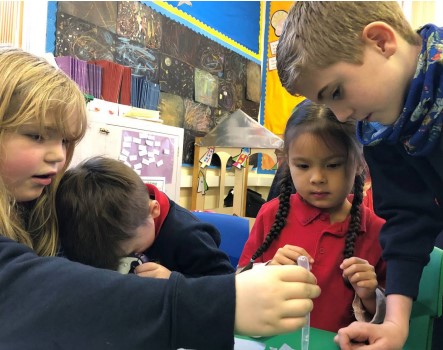
Learners
Well obviously. They are the reason we are in our schools and colleges in the first place and so naturally we have to have a sharp focus on keeping them safe.
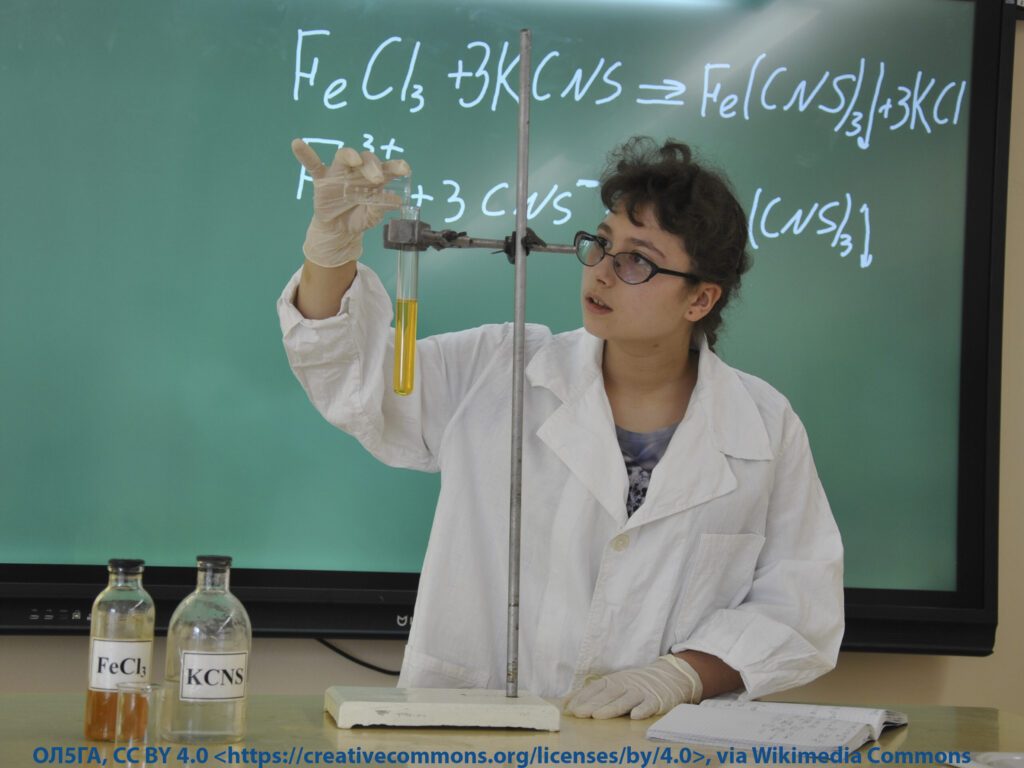
Teachers
As teachers, it is all too easy to forget ourselves in our focus on the learners in front of us.
But there is a specific requirement in the Health and Safety at Work Act to look after our own health and safety.
So remember things like wearing eye protection (where required) and safety screens on both siders of alkali metals
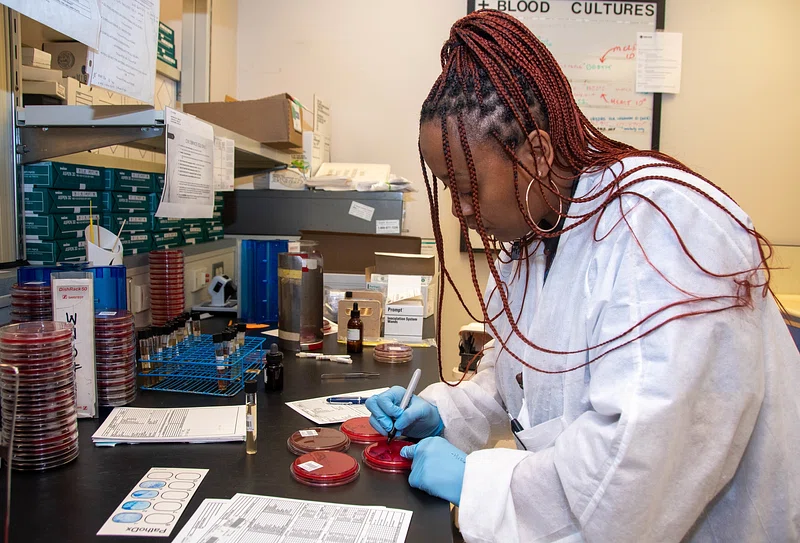
Technicians
There are two areas to focus on here:
1. Don’t forget, when choosing which experiment to do, that technicians preparing your solutions and materials, particularly in chemistry, are exposed to larger quantities and higher concentrations possibly for longer periods of time as well.
2. When clearing up you need to make sure that apparatus is left in a safe condition.
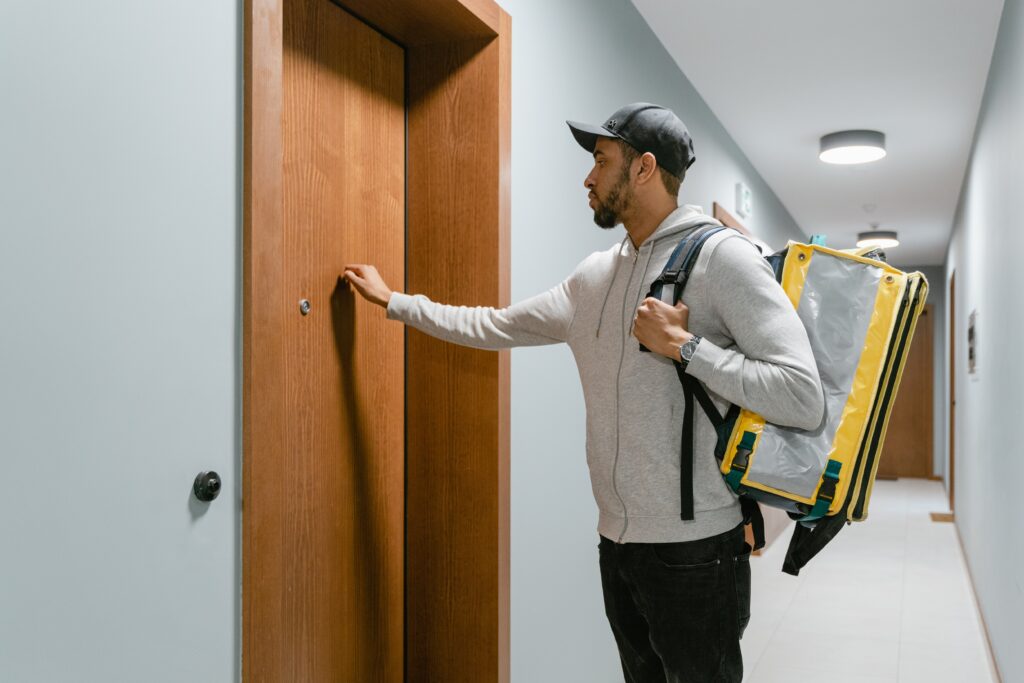
Visitors
There won’t be all that many of these but colleagues or inspectors might be observing lessons, or, in independent schools in particular, potential parents may be being shown round.
If there is no hazardous activity going on or the visitors are just near the doorway, then there is no problem. But if they are wnadering round the room talking to the class, then if PPE is required, they should be asked to wear it as well.
Specific vulnerabilities
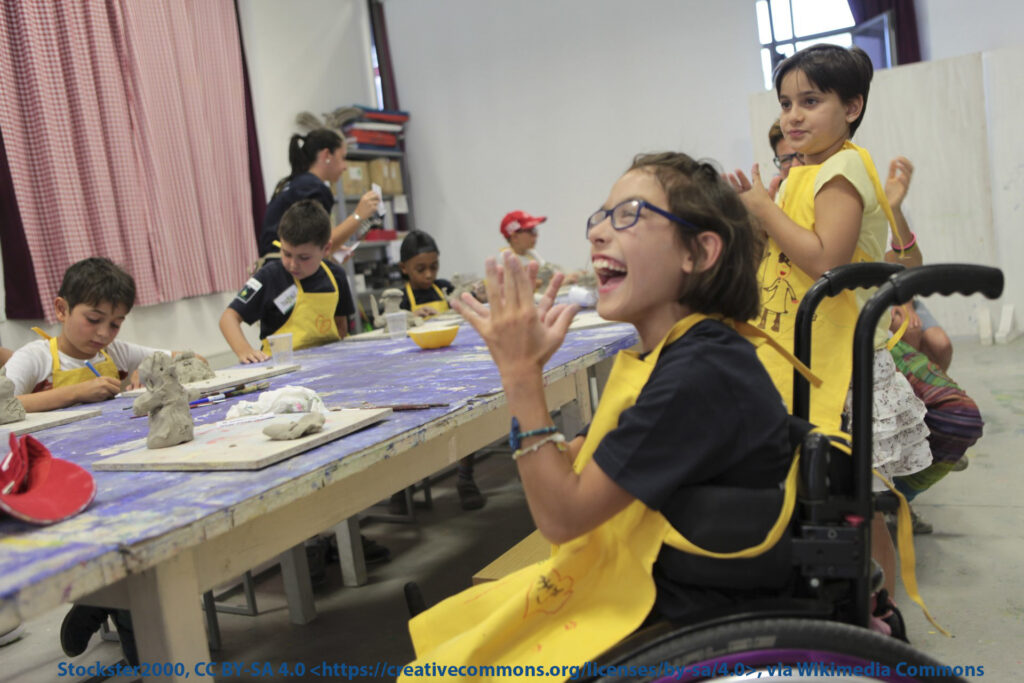
There can be a whole range of individueal with different features that can make them more at risk than others. For example
- Wheelchair users are unable to move out of the way of harm as fast.
- Those with visual or auditory problems may be not spot danger as fast – or see/hear warnings.
- Those with allergies are vulnerable to certain substances eg latex, nuts.
- Those with dyspraxia or other co-ordination problems are more likely to drop or spill things.