
There is a variety of routes by which a hazard can cause harm and it is important to know which routes are relevant in a particular situation. For instance: eye protection is of no use if a substance is toxic when swallowed.
EYE DAMAGE
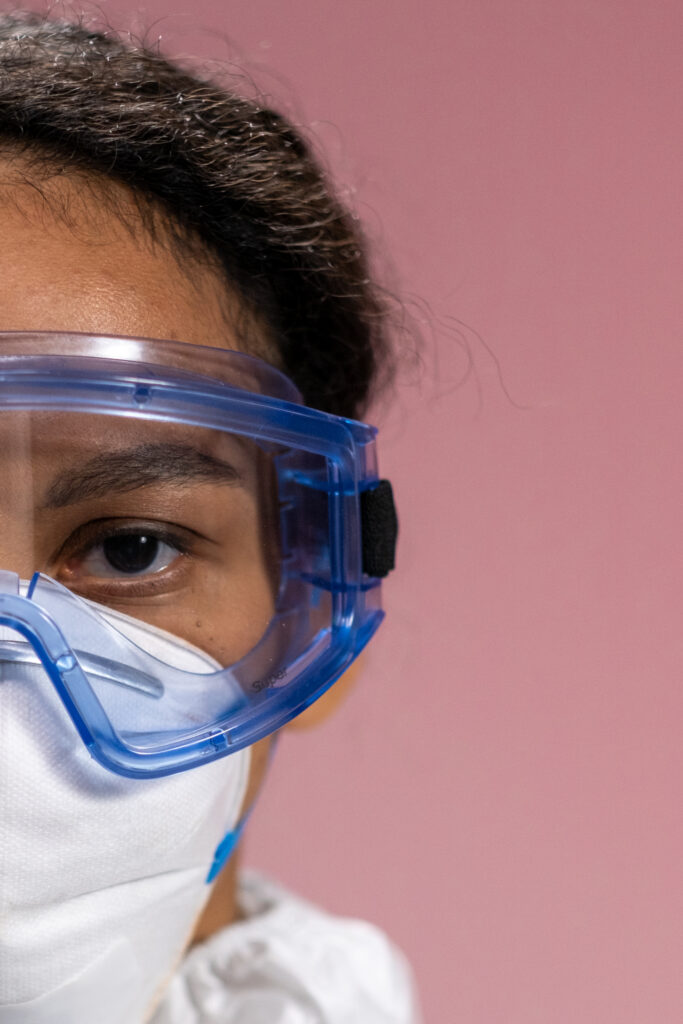
Eyes are a particularly vulnerable part of the body and so need protection.
Eye protection should always be worn when the risk assessment suggests it as a control measure.
SSERC’s advice is:
Indirect vent goggles (BS EN166 3) should be worn when handling chemicals that are (at the concentration used) toxic or corrosive.
Eye protection, such as safety spectacles, should be worn when handling chemicals that are irritant or harmful. But also to protect from impact (eg in technology) or from splashes of hot liquids, such as water, that are otherwise harmless.
If these criteria are not met, eg using 1 molar hydrochloric acid, there is no need to wear any eye protection.
There are some specific measures needed in certain circumstances:
- Special glasses should be worn for all but brief exposure to UV light.
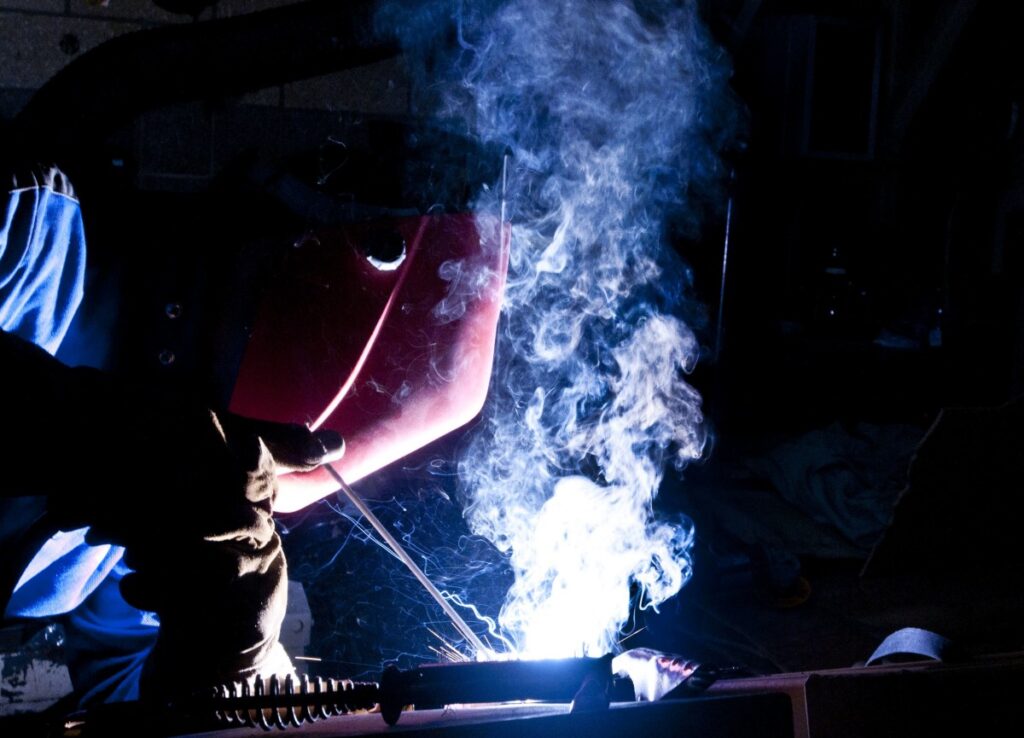
- A properly specified welding mask is required for the very bright arc light from welding.
SKIN DAMAGE
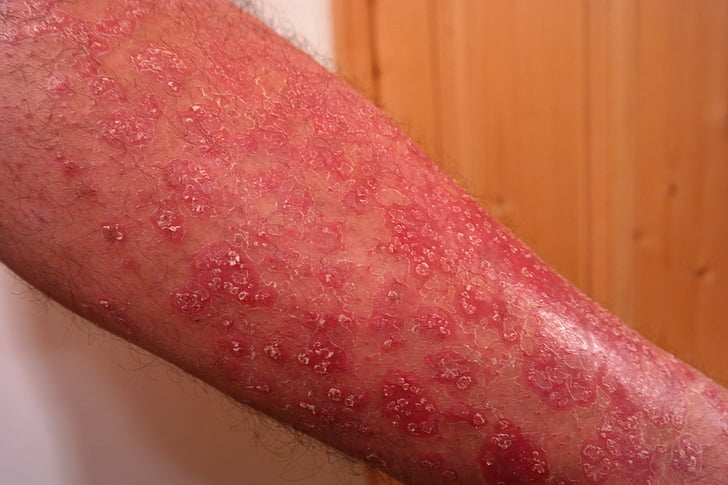
While not as sensitive as the eyes, the skin can also be damage by exposure to corrosive agents. If exposure is likely, suitable gloves should be worn.
Burns from hot surfaces or fires are also a danger – see below.
Another source of damage is that of cuts from sharp objects. there are two main sources of this risk:
- Sharp tools such as scalpels and chisels. These should only be used with care by individuals who are competent to do so.
- Broken glass. The edges of glass can be phenomenally sharp and cause serious injury. Great care should be taken, particularly if glass breaks
INHALATION
Another route of harm is by the inhalation of dangerous gases, fumes, aerosols or dust particles.
In general, SSERC does not recommend the use of Respiratory Protective Equipment (RPE) although dust masks are OK to use in some circumstances – there are too many issue with fitting and training.
The best option is to control the emissions at source by using extraction such as a fume cupboard. And if there is a significant release, simply evacuate the area.
FIRE
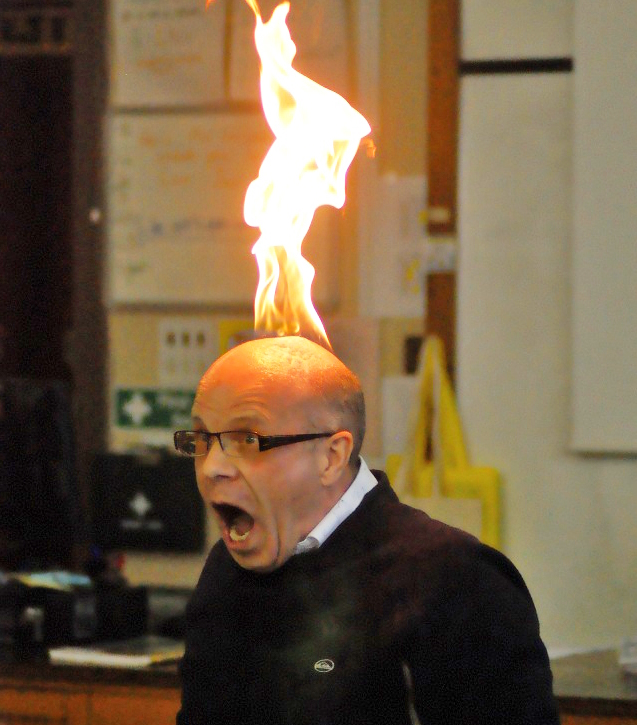
Again, the best approach is to prevent problems in the first place. Be aware of the possible proximity of any flammable materials to any potential sources of ignition. Most obviously, keep solvents such as ethanol away from naked flames.
Small fires can be extinguished with an extinguisher or a fire blanket but in the case of anything larger, evacuating the room and calling the emergency services is usually the only safe option. (But your school/college will have a policy on what to do about fires).
Related to this is the possibility of damage from exposure to hot items such as forges, hotplates, recently heated glassware etc. The best approach here is simply caution and awareness.

INGESTION
While swallowing toxic substances is clearly serious, in general there are no special measures that need to be taken.
Unless dealing with highly toxic substances like cyanide, good laboratory/workshop hygiene such as washing your hands before eating or drinking will provide sufficient protection.
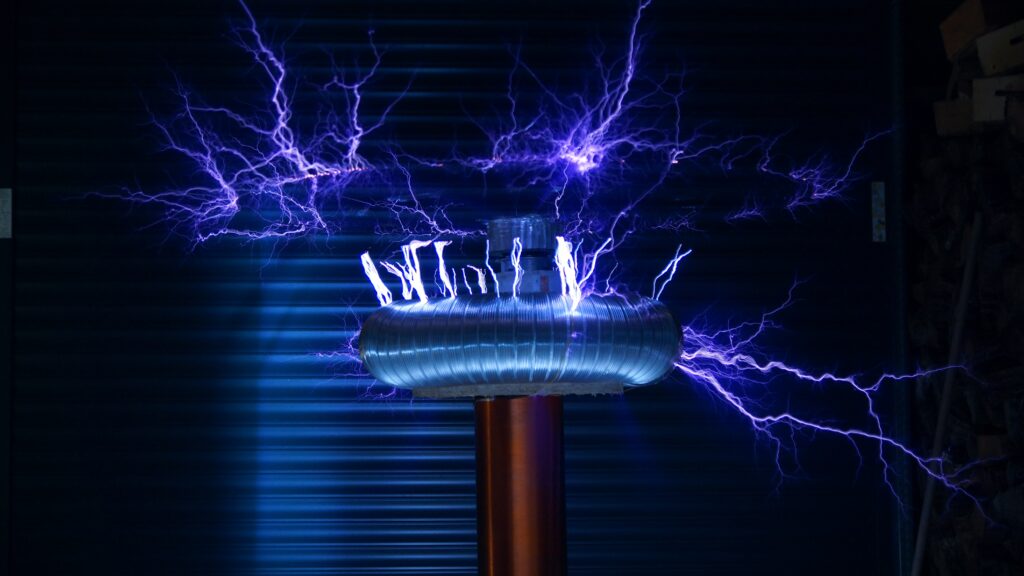
ELECTRIC SHOCK
Nowadays the risk of serious harm from electric shock has been much produced by the firring of RCDs and other protective devices. Nevertheless it remains a hazard.
- Work with low voltage equipment where possible.
- When using mains equipment, keep away from liquids such as water.
- Ensure any electrical equipment is regularly tested and kept in good condition
- Ensure any mains equipment is designed so that learners are not able to touch any live parts.
There are various other causes of harm which may be common but generally less serious in school or college labs and workshops: manual handling, slips etc or ones that are serious but more common such as ionising radiation.
the key point is to know the nature of the hazard and how it can cause harm