Types of balance
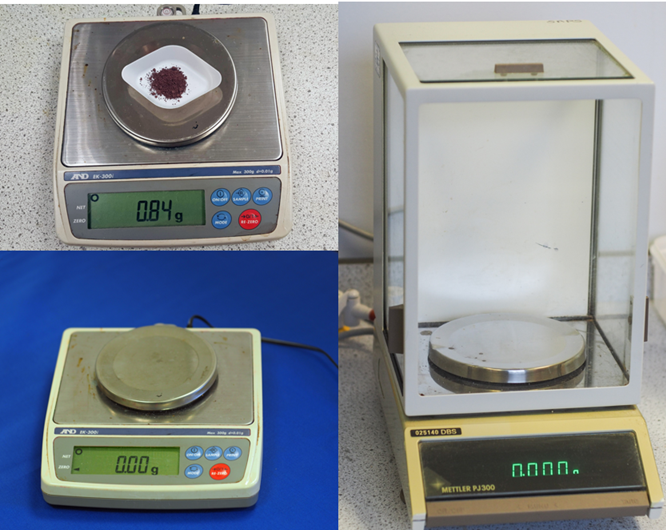
You will have access to electronic balances for weighing out chemicals but you may have a choice of which to use.
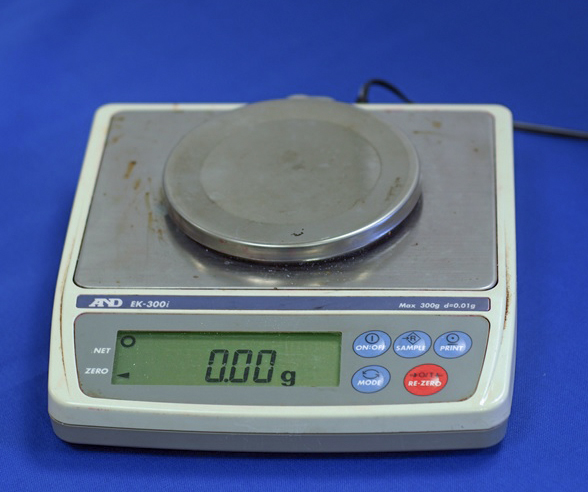
For normal usage, a balance that reads to 2dp (0.01g) is ideal. For many lab solutions, 1 dp (0.1g) would be acceptable but there is not a great amount of saving in either money or time to be gained from using this rather than 2 dp
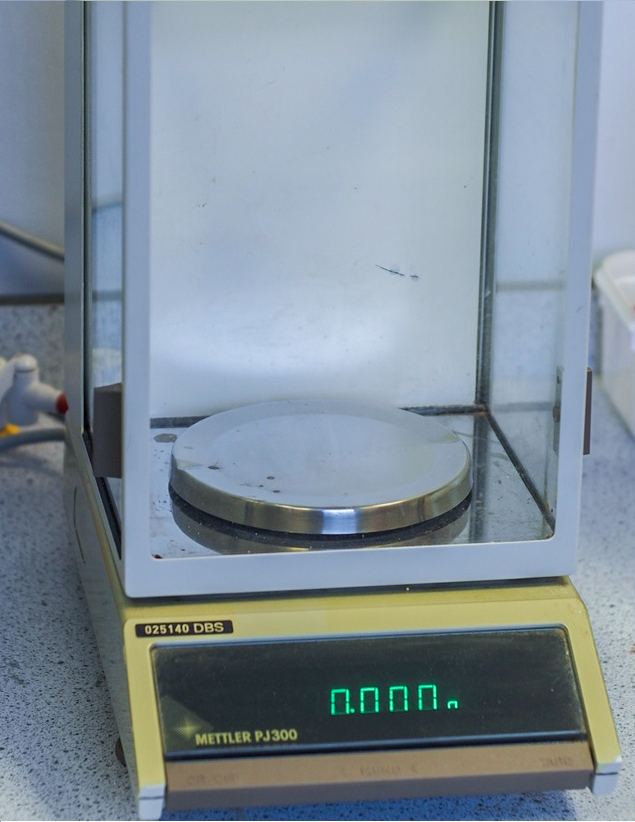
For accurate work, preparing accurate solutions for some Advanced Higher work for instance, you may need to use a balance that will read to 3 dp (0.001g) or even more.
Using a balance
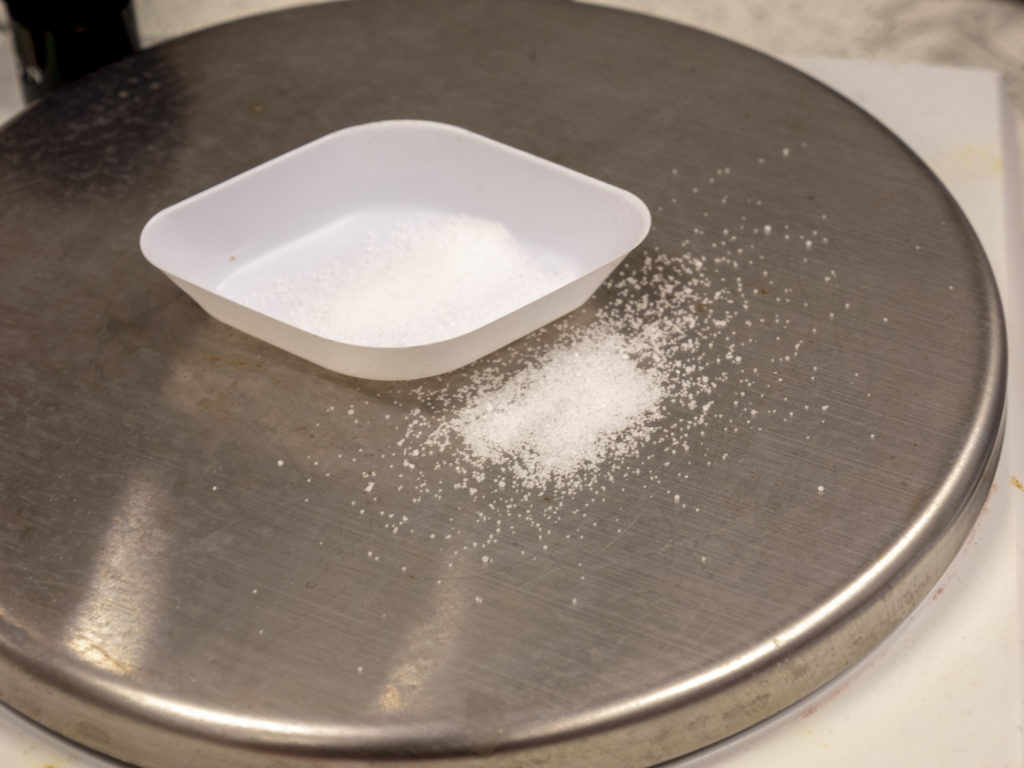
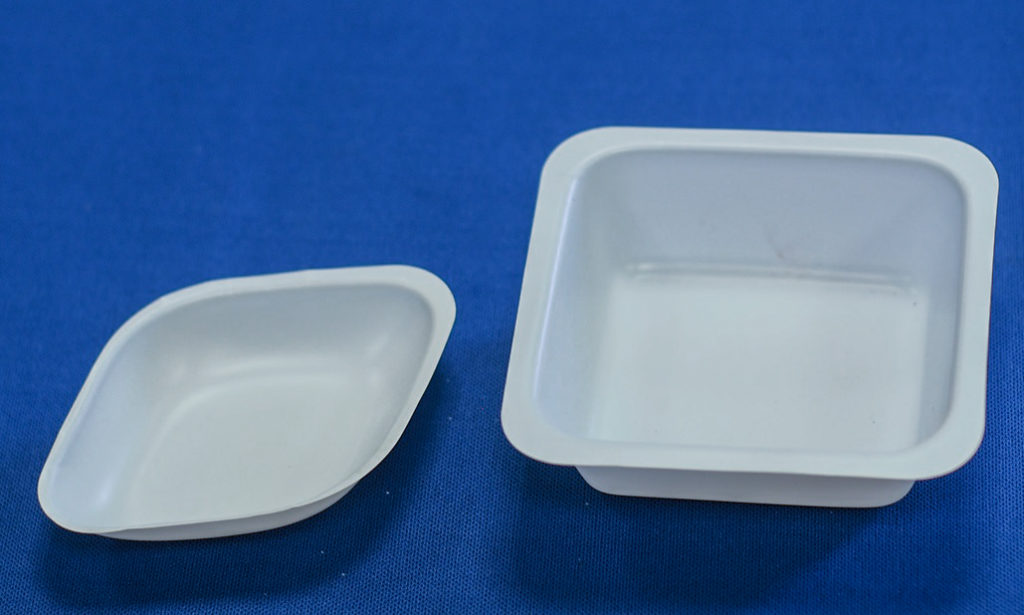
To avoid dirtying or damaging your balance, place the reagent in some sort of container. You can place the beaker or flask directly on the pan but it may be too heavy. It’s best to use a weigh boat: a small container of light plastic. You weigh your chemical in this and transfer it to the beaker/flask. Alternatively a piece of paper or aluminium foil will often do adequately.
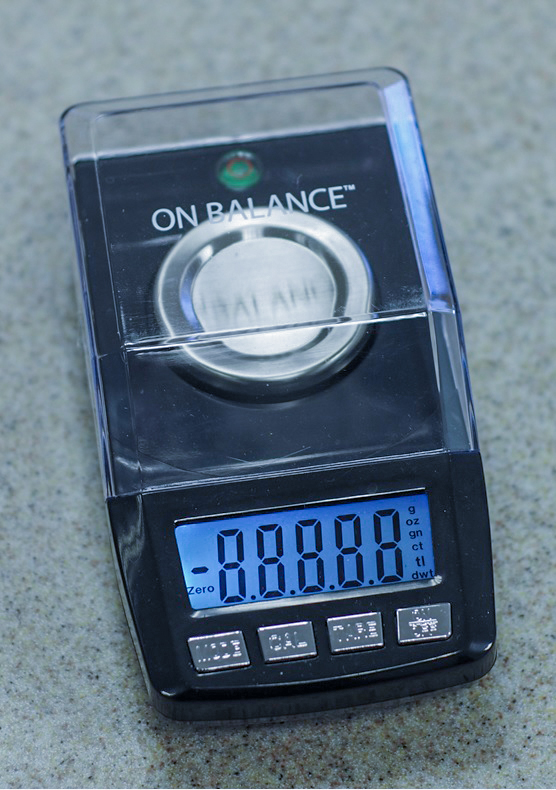
It is important that you know what the start reading was on your balance. In most cases, you can simply set the balance to zero once you have the weigh boat on the pan and just weigh up to the required amount. This is called ‘Taring’.
Technically, Taring is not the same as zeroing – but they both involve setting the balance to zero. See here for an explanation.
Caring for your balance