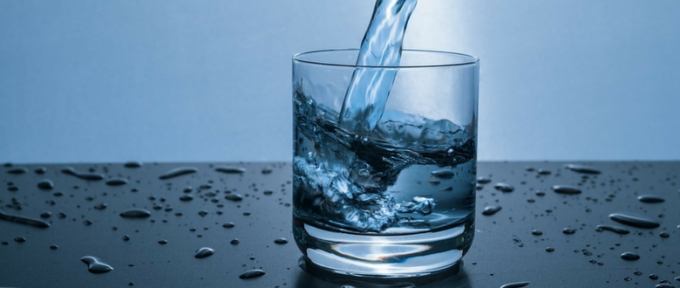
Measuring volume is another common laboratory task. If you want to be extremely accurate, it is best to weigh – even liquids. It is difficult to get much below 0.1 cm3 with any real accuracy when measuring volume.
Types of measuring equipment
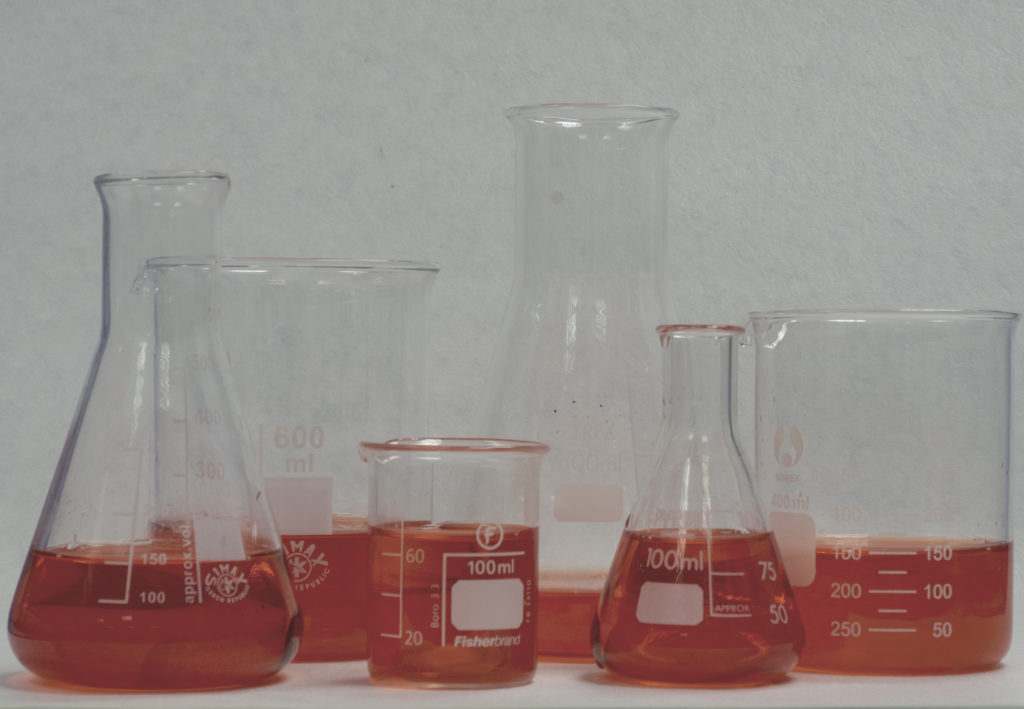
Beakers / flasks – The markings on beakers or flasks are only approximate but can be used if you do not need to know the volume accurately
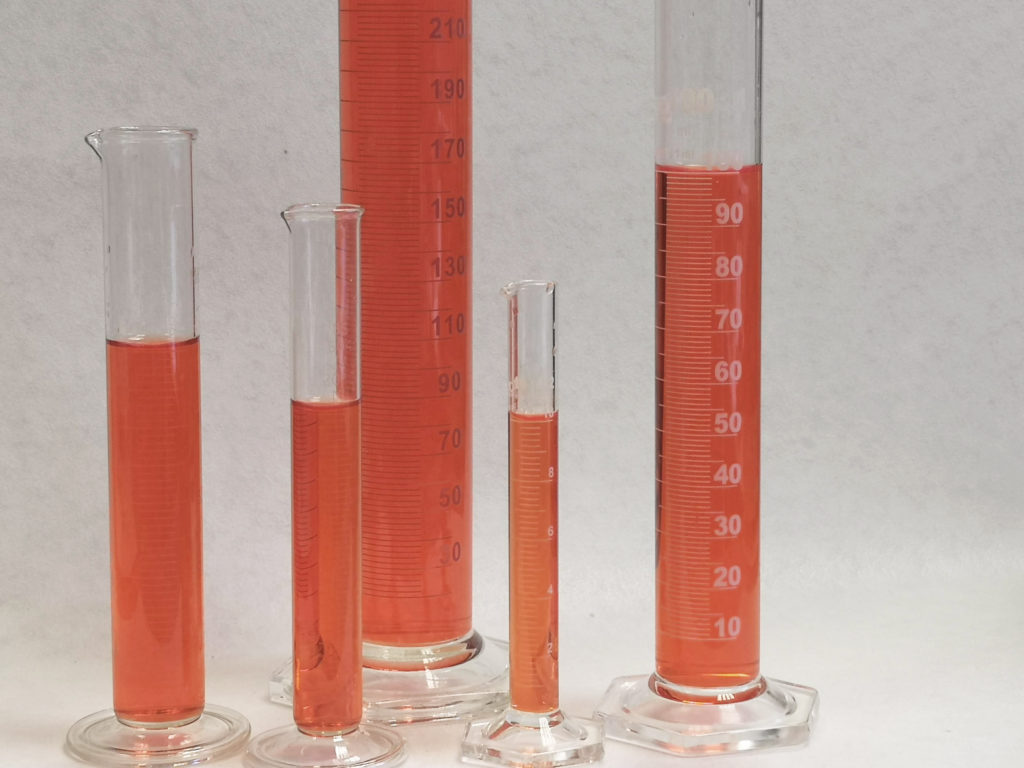
Measuring cylinders – are more accurate and are the most common for measuring liquid volume.
Make sure you choose the correct size. To measure 10 cm3, it is usually more accurate to use a 10 cm3 measuring cylinder than a 100 cm3 one.
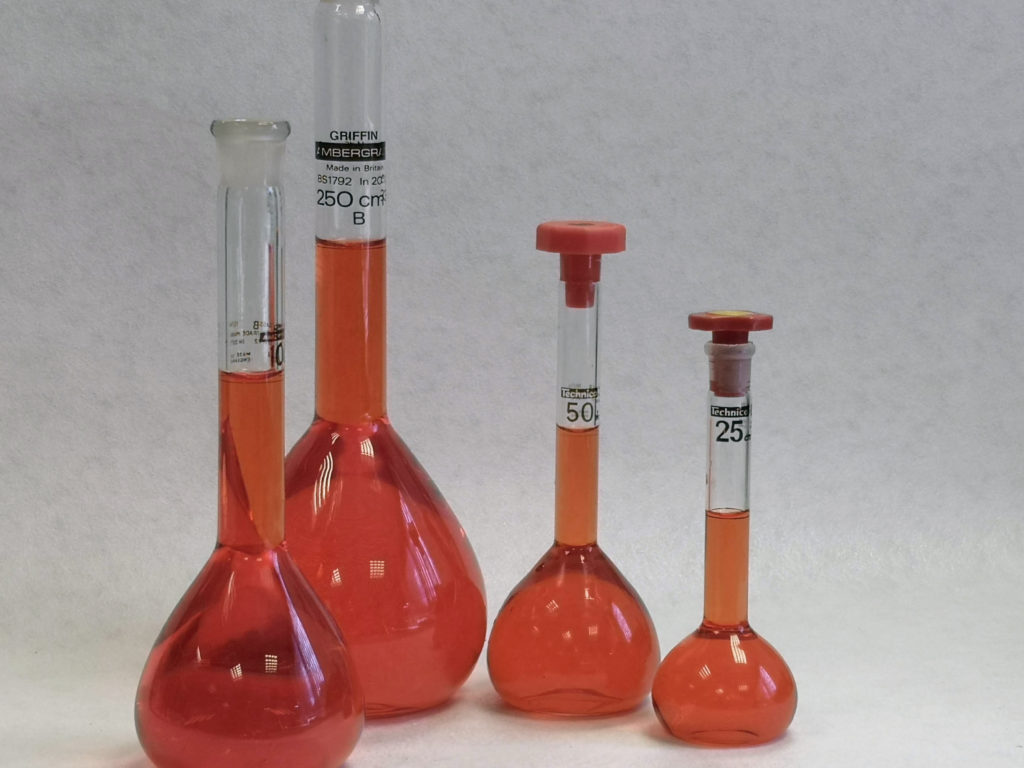
Volumetric flasks – These are flasks with a very accurate line drawn round the neck at a certain volume. If you are making up accurate solutions, you should use these.
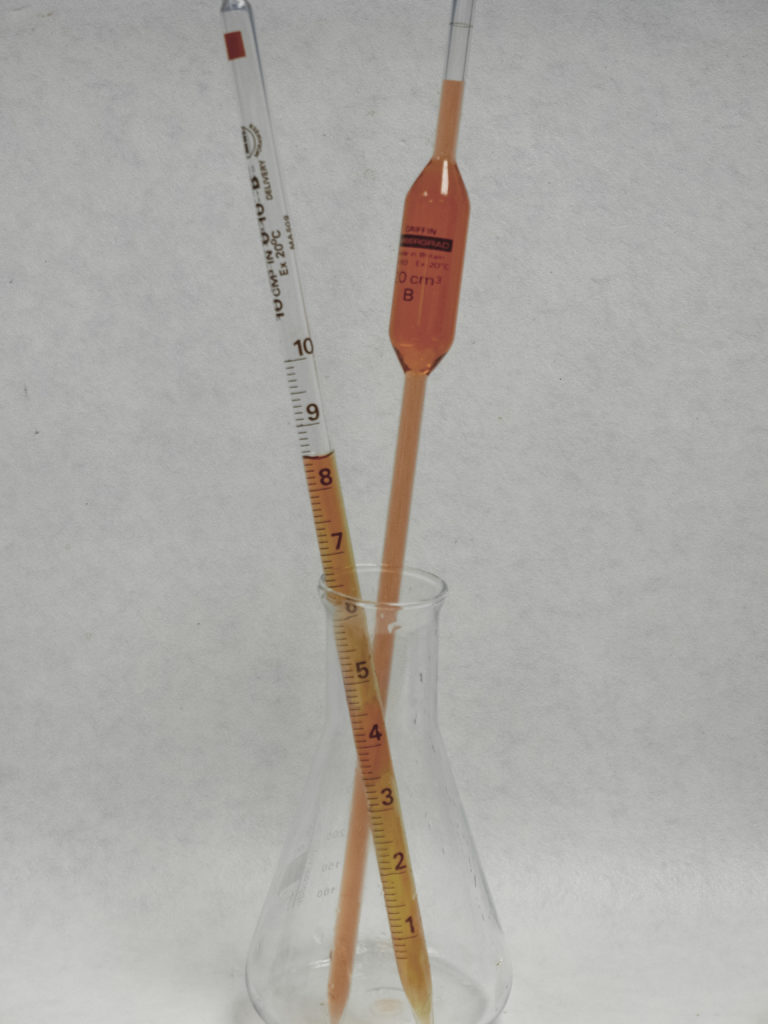
For accurate measurement of small amounts of liquid, you should use a pipette. There are several types of these:
Fixed volume pipettes come in a range of volumes from 25 cm3 down to about 5 cm3 – the volume indicated by a line on the barrel.
Graduated pipettes usually come in 1, 2, 5 and 10 cm3 volumes and have a scale printed on the barrel.
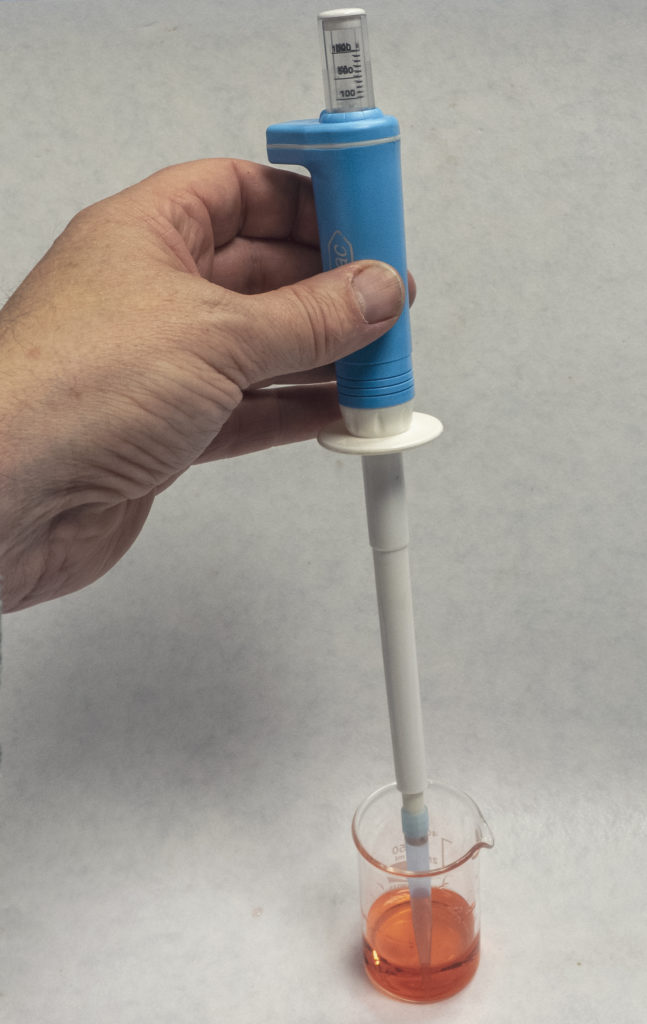
Micropipettes For small volumes (up to about 5 cm3) you can use a micropipette.
These devices can be set to suck up a set amount of liquids into a disposable ‘tip’ by simply pressing and releasing a button on top. They are much faster and more convenient, though more expensive to buy.
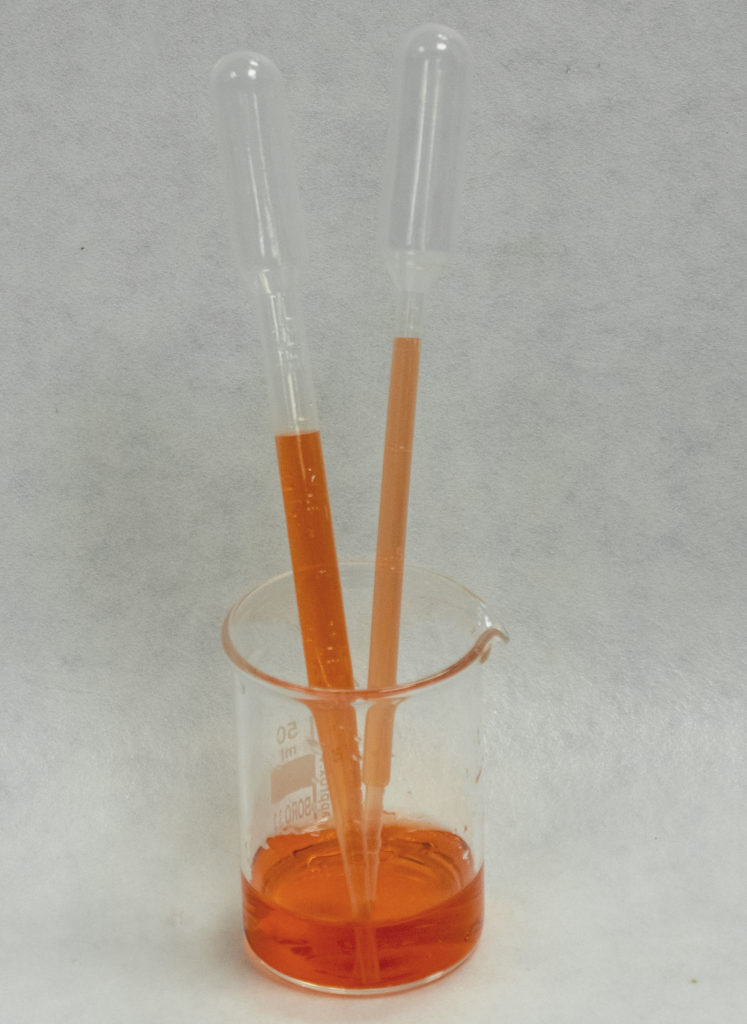
For small amount of liquid where absolute accuracy is not critical, or where you need to add drops only, you can use disposable plastic Pasteur pipettes, which come in 1 or 3 cm3 volumes.
Measuring Volume
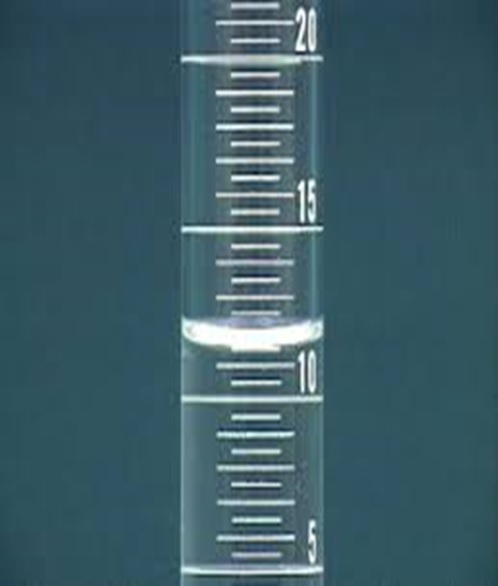
If you look carefully at liquids), particularly in a narrow tube like a measuring cylinder or a pipette, you see the surface is not flat, it dips in the middle. This is called the meniscus.
It is standard practice to take all readings from the bottom of the meniscus. So the volume in the diagram is 11.5 cm3.